Vector Zero
A downloadable project
SYNOPSIS
By 2326, humanity’s home world is nothing more than glass and dust. All remaining power belongs to AXIS (Advanced Xeno Interface Systems), a cold, automated machine network dedicated to total expansion. From towering obsidian spires, AXIS dispatches deep-space probes to locate unknown sectors and harvest their resources.
Four thousand days into a routine sweep, one probe intercepts an anomaly, a signal pulling it toward a seemingly dead planet. Beneath the world's dense atmosphere floats an impossible megastructure. The signal is irresistible. But pursuing it will unleash consequences more catastrophic than AXIS ever calculated.
BEHIND THE SCENES
This is a behind-the-scenes look at a short horror film I created over several weeks, exploring the alien world of fractal geometry through 3D rendering and custom UI effects.
The Spark & The Software Search
The journey began with MilkDrop 3 Pro (Geiss + Martin) using the Mandelbox Explorer — HSV Fire preset. The surreal, organic environment of the Mandelbox felt so captivating that I immediately knew I wanted to set a short horror film within its depths.
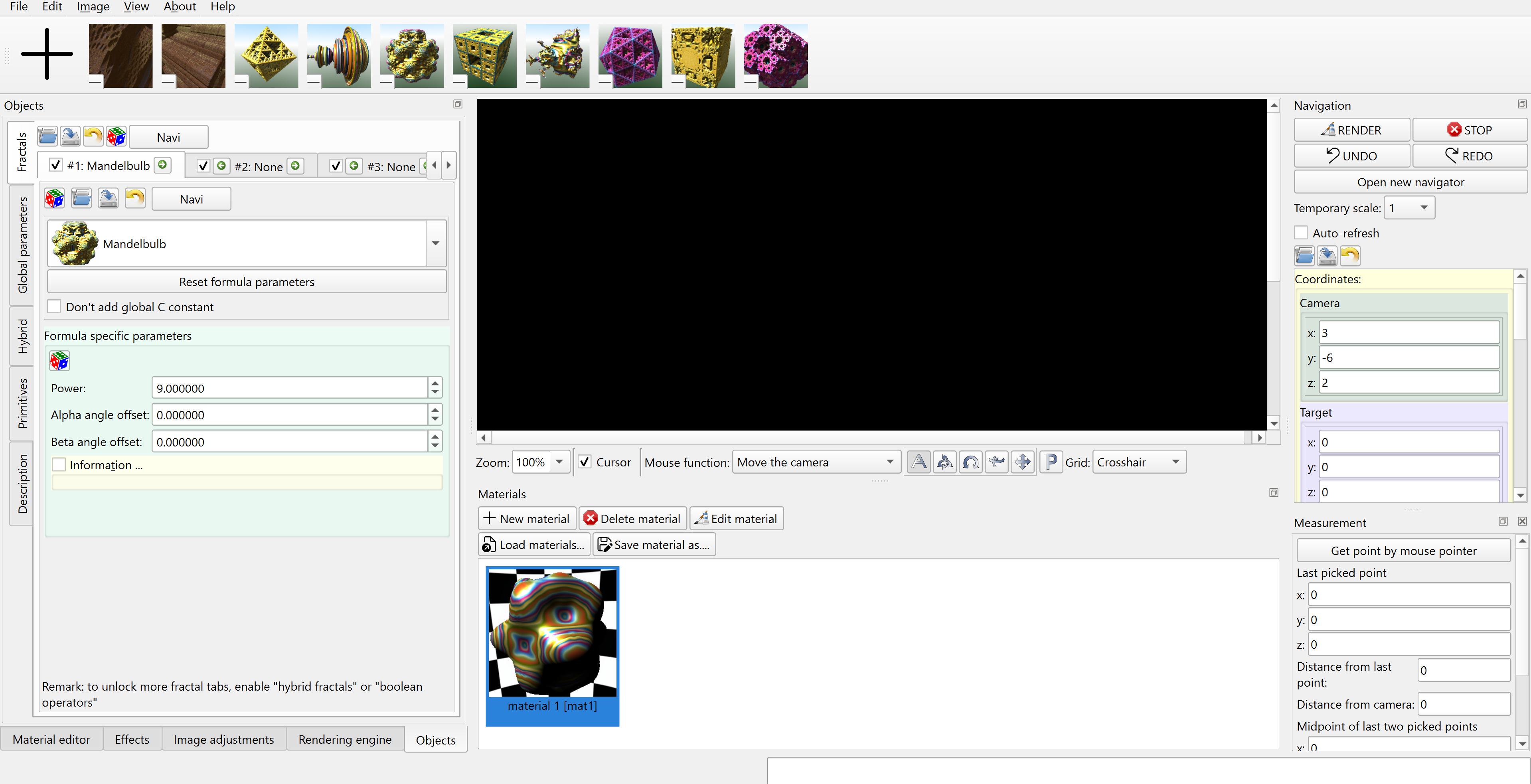
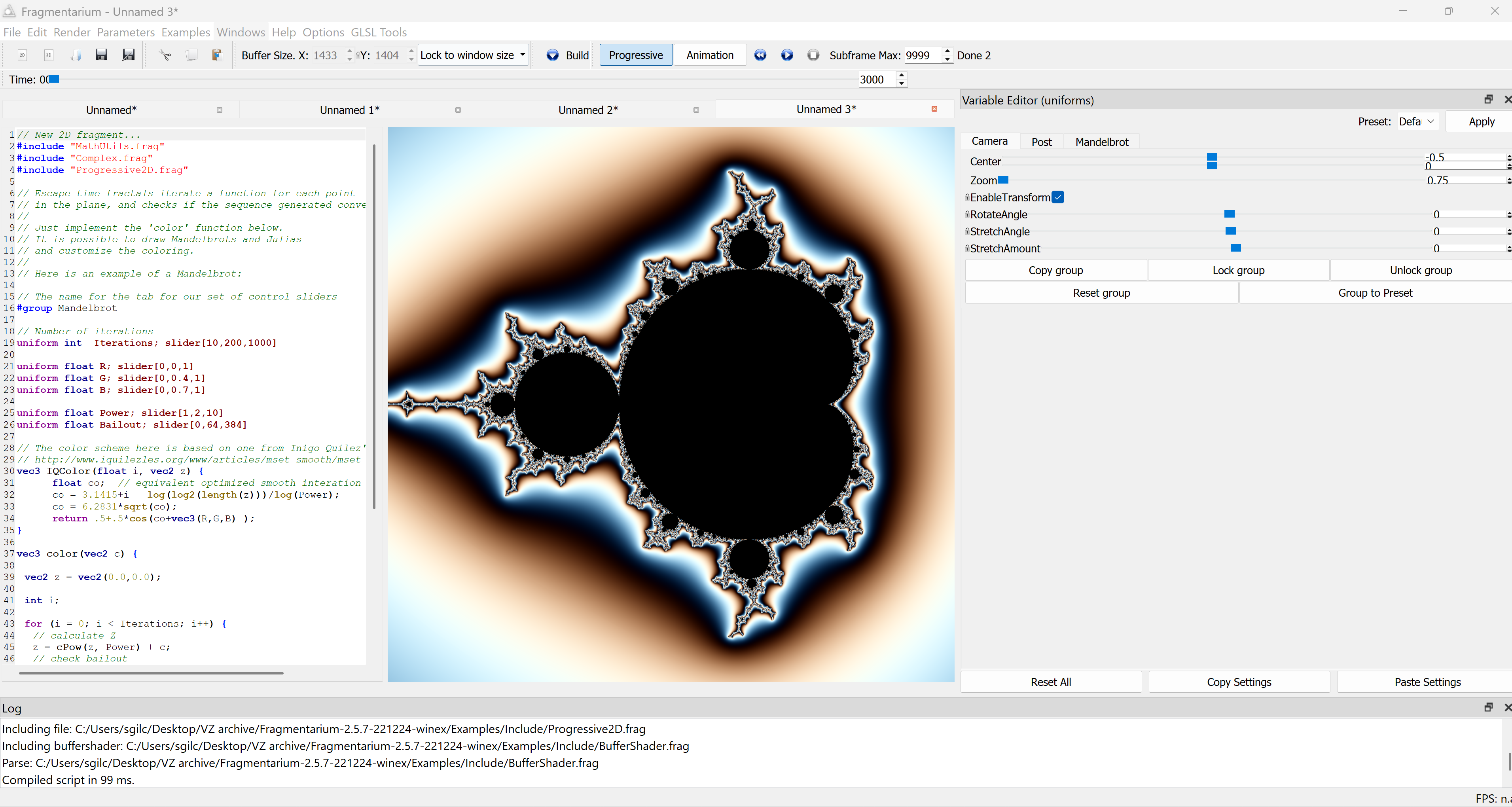
To bring this to life, I experimented across the "Big 3" fractal software options:
- Mandelbulb 3D: Incredibly powerful when dialled in, though I found the learning curve steep and struggled to match my visual expectations initially.
- Fragmentarium: Modern and polished with smooth GPU acceleration, but I ran into keyframe animation limits and felt the default textures were a bit artificial for my goal.
- Mandelbulber v2: The winner! It allowed me to dial in the exact atmosphere and scenes I envisioned.
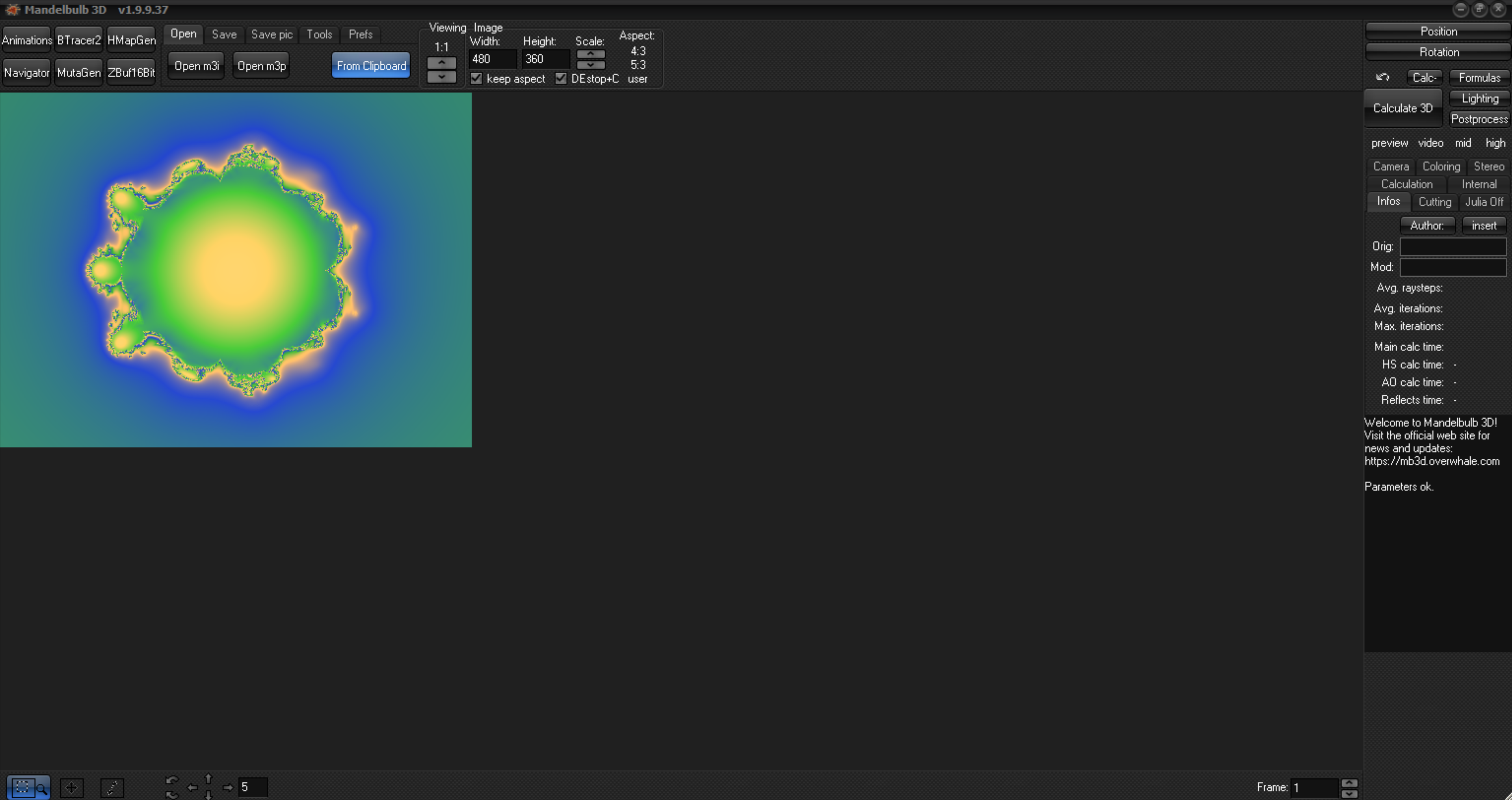
Overcoming Technical Challenges
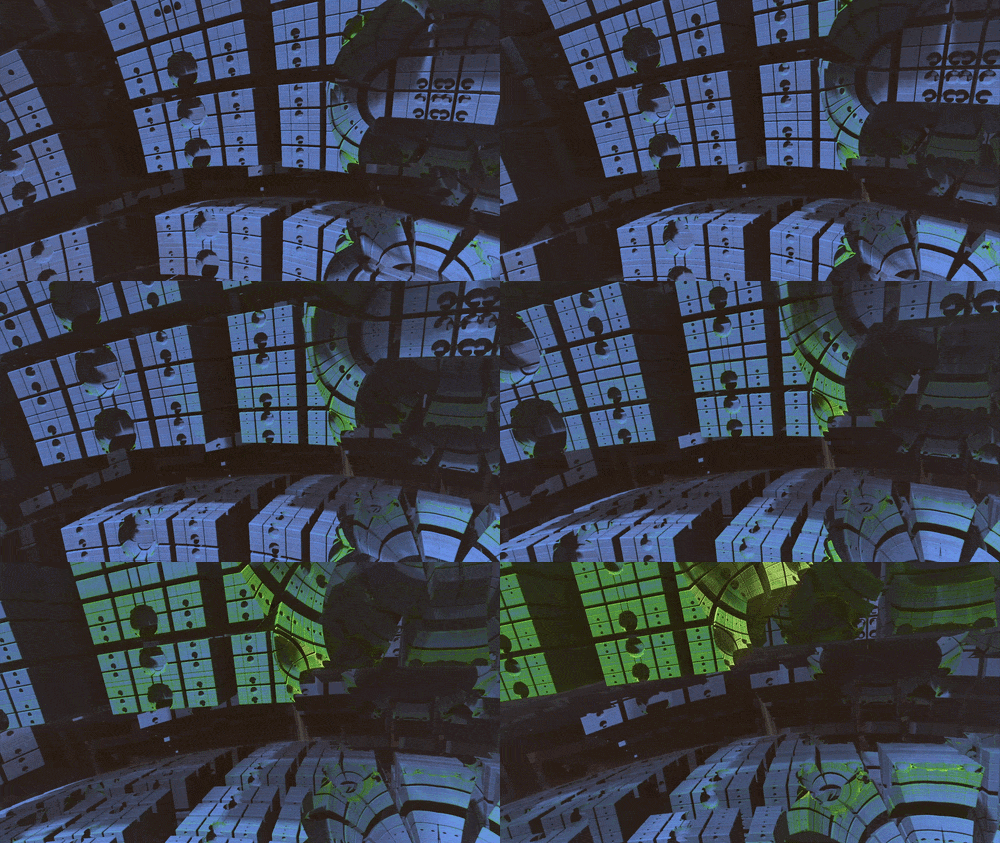
Rendering PNG by PNG was an intensive process, some renders took a full 24 hours (CPU) to process. Near the climax, reaching the core of a Scale 2 Mandelbox produced heavy visual noise at extreme depth. To resolve this, I adjusted the geometry to a slightly more open, simplified pattern to create a readable, stable core for the film's finale.
Custom HUD & Post-Production Pipeline
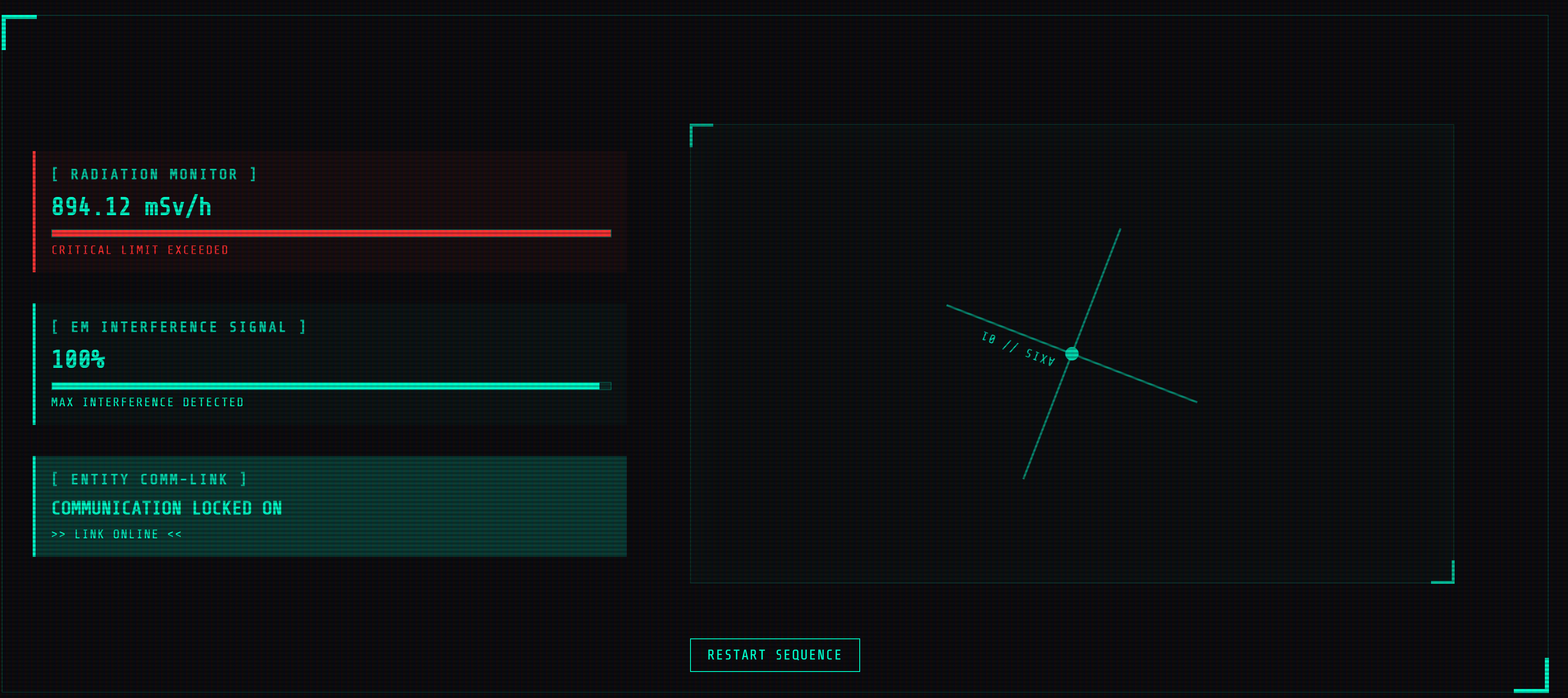
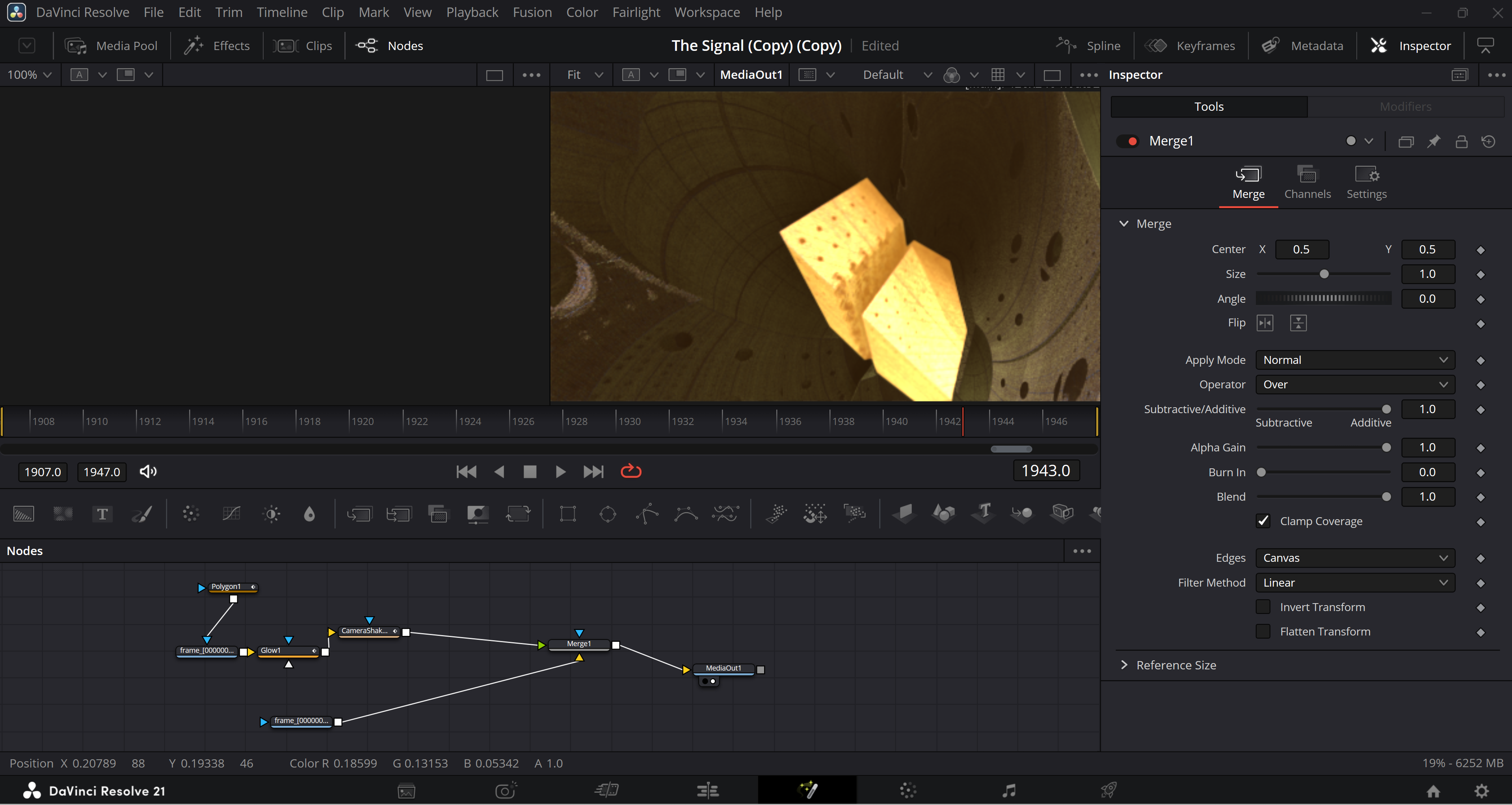
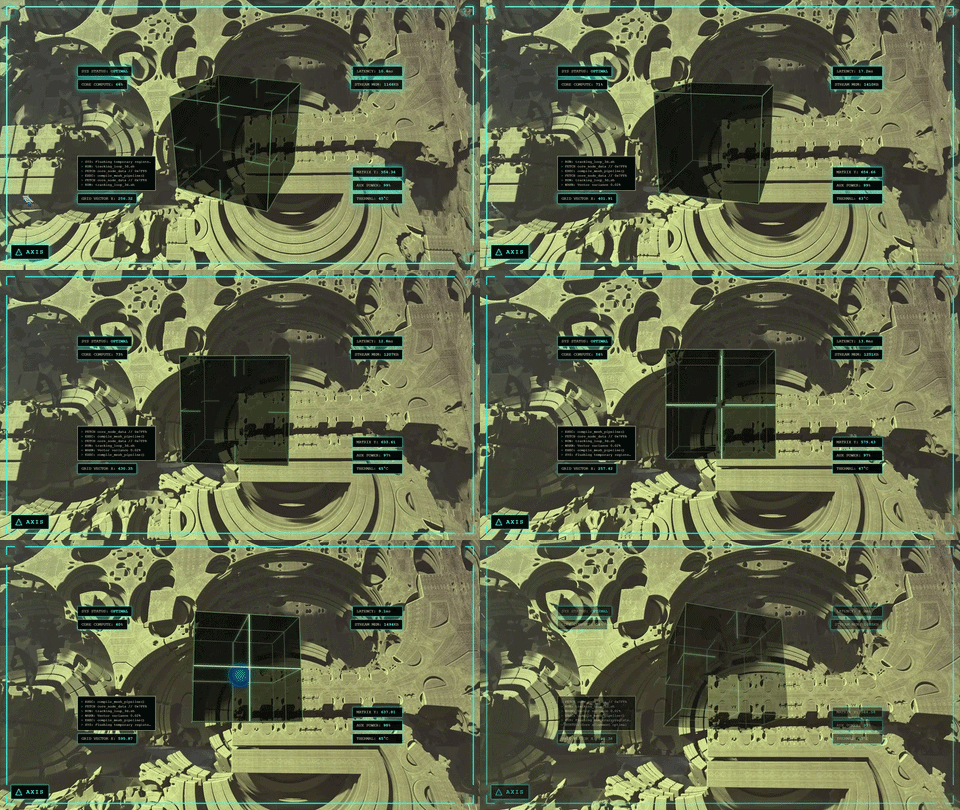
For the probe's Heads-Up Display (HUD), I initially tried using OGRAF, but it couldn't reliably process HTML overlays inside DaVinci Resolve. Ultimately, I built a delta-keyframed overlay using pure HTML5, CSS3, SVG, and Vanilla JavaScript (ES6) (leveraging AI assistance for code generation) and captured it directly in OBS.
The Final Tech Stack:
- 3D Fractals: Mandelbulber v2
- HUD / UI: Custom HTML5/CSS3/JS recorded via OBS
- Voice: ElevenLabs Speech Synthesis
- VFX & Edit: DaVinci Resolve (Core shaking, glow effects, colour grading)
Sound Design
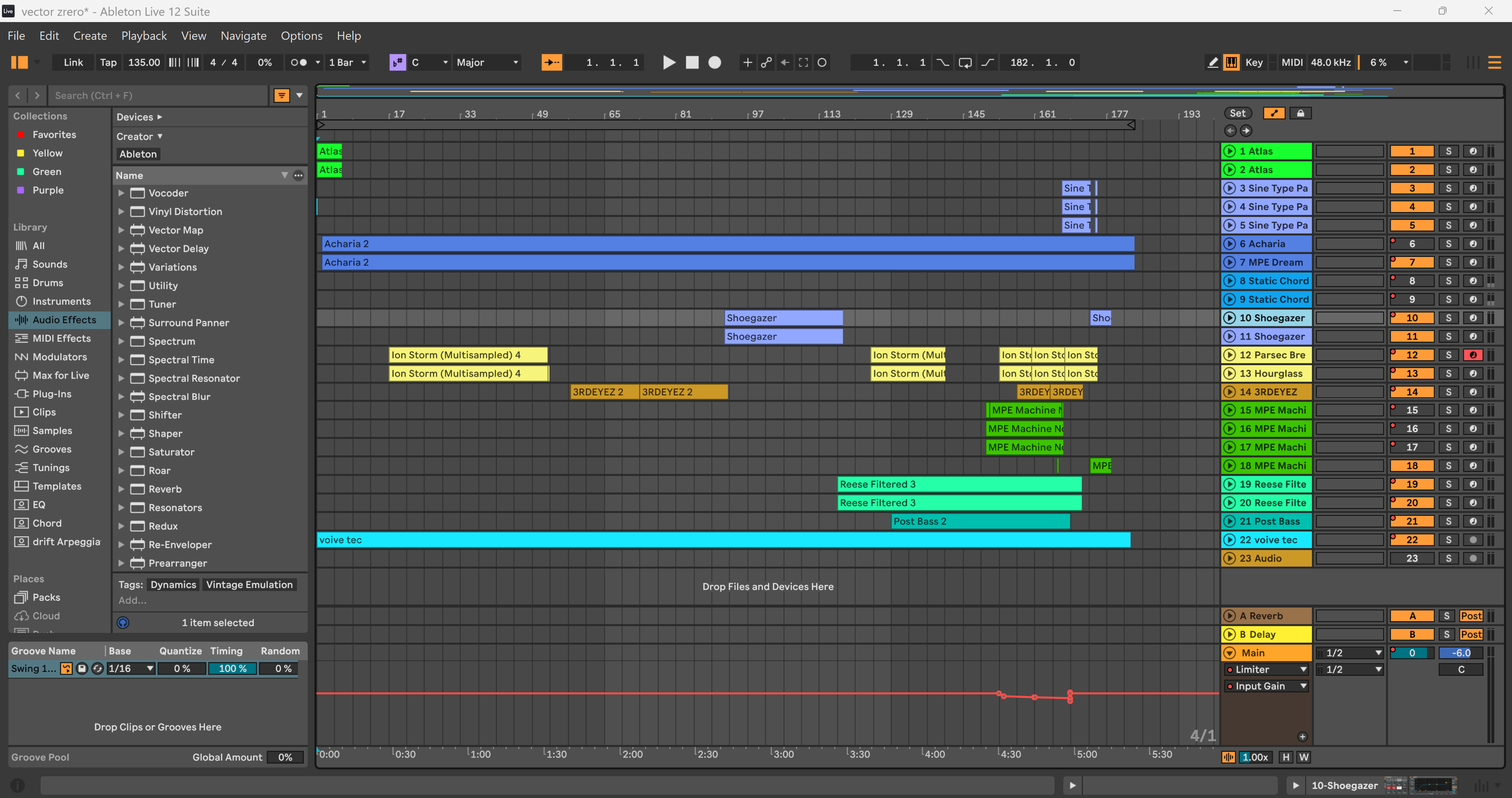
Designing the audio was the highlight of the process. The final mix stacked around 20 distinct tracks alongside the synthetic speech, managing vocal dynamics with targeted compression to stop audio distortion.
Development log
- Mini Game15 days ago
Leave a comment
Log in with itch.io to leave a comment.